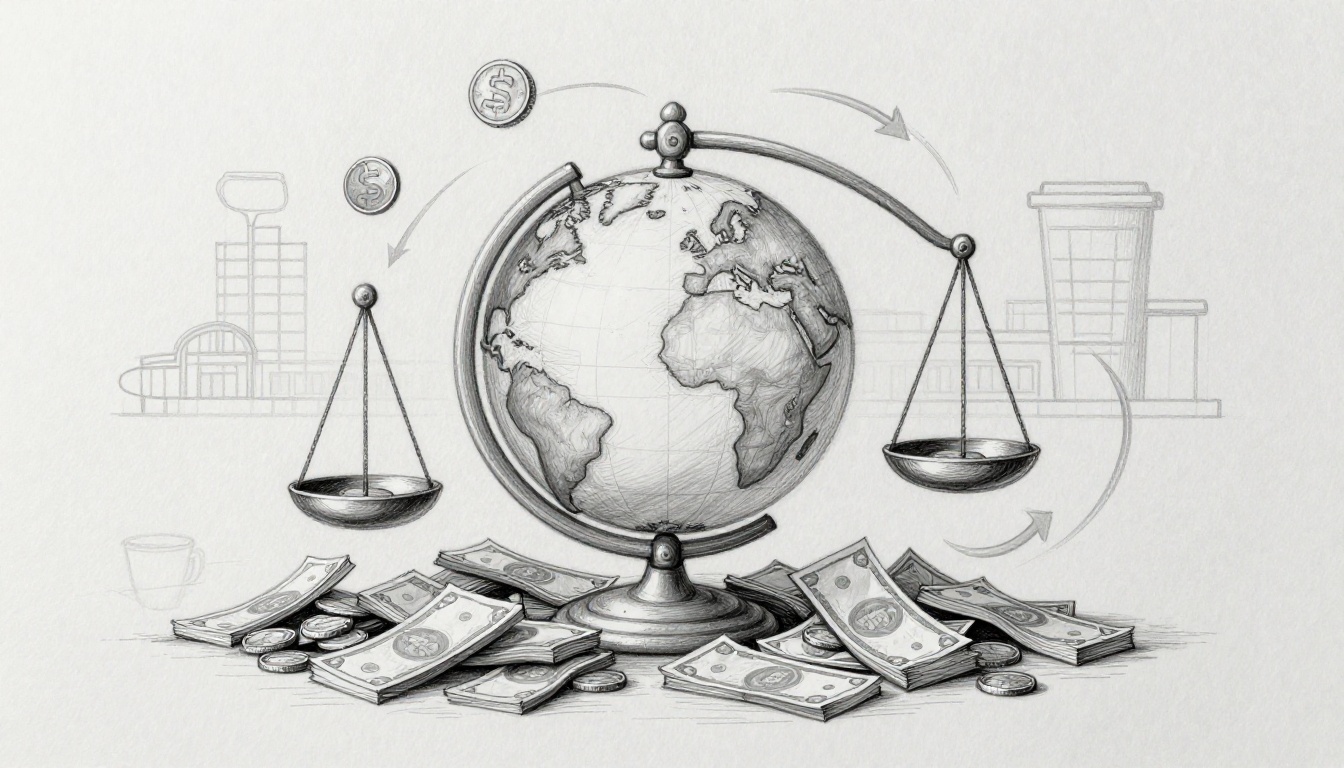
Ever bought a coffee in another country and felt like the price changed twice, once at checkout and again in your head? In March 2026, a rough travel mental math was 1 USD ≈ 150 JPY and 1 USD ≈ 0.92 EUR. Yet the numbers look “fair” only at first glance.
Currencies do not all share the same value because their prices move. Sometimes that shift happens fast, driven by money flows, economic news, or political shocks. If you understand the main forces, you can make smarter choices when you travel or move money.
Next, you’ll see the big mechanics behind currency values, starting with the same rule behind just about anything priced in a market: supply and demand.
The Basic Rule: Supply and Demand Sets Every Currency’s Price
Think of a currency like a hot item at a swap meet. If more people want it, the price rises. If more people want to sell it, the price falls.
That is what happens in currency markets too. In forex, traders buy and sell currencies against each other all day. The market is open around the clock because different regions trade in different time zones. So the value of a currency pair can change while you sleep.
Here’s the core idea, in plain terms:
- Demand increases the price of a currency (more buyers, less interest to sell).
- Supply increases the price pressure down (more sellers, less interest to buy).
- Expectations matter because traders react to news before it hits real life.
You can see this dynamic explained in forex terms in guides like how supply and demand levels work in Forex. Even if you are not trading, the lesson transfers well.
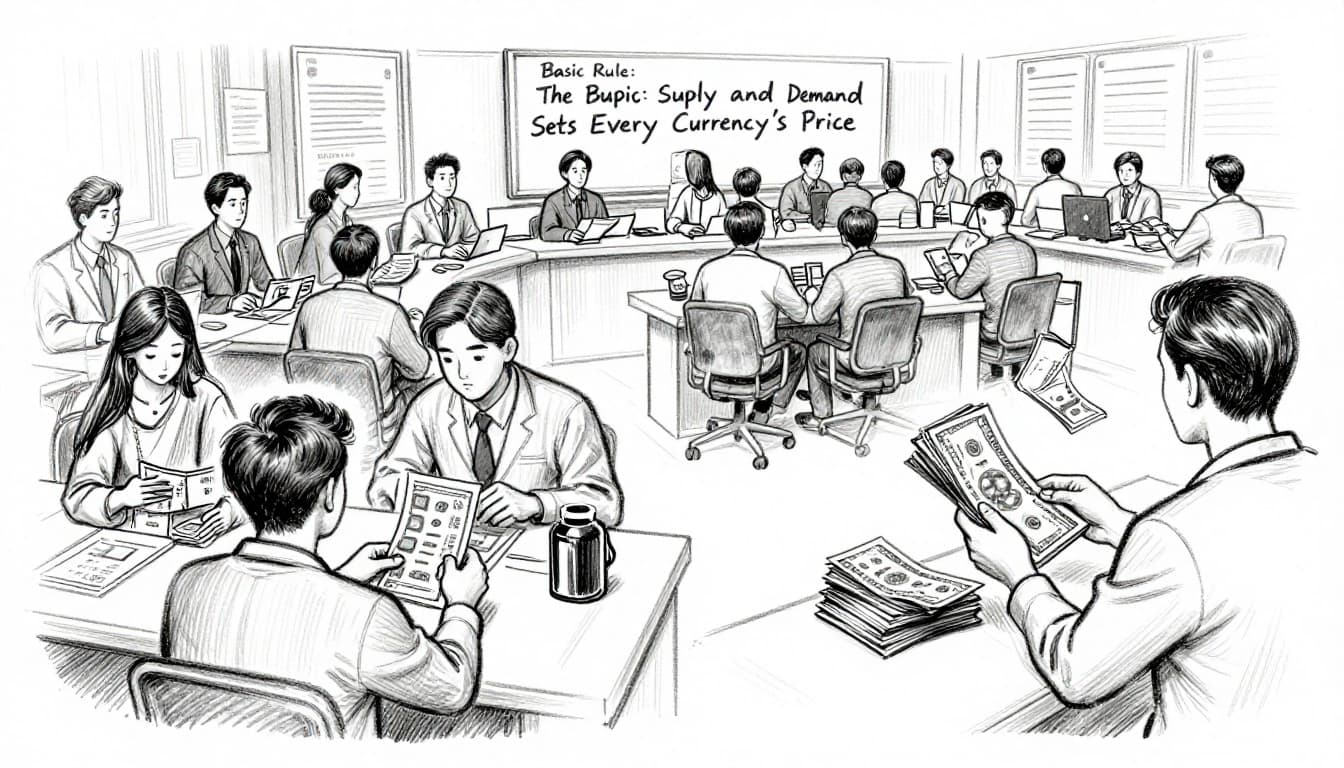
A currency’s value is not a fixed “score.” It’s the result of who wants what, right now.
What Happens When Demand Surges for a Currency
Demand can jump for reasons that seem unrelated to money at first. For example, foreigners might buy a country’s products. To pay for imports from that country, they need its currency.
Demand also rises when investors put money into local assets. That includes stocks, bonds, and government debt. If returns look attractive, global investors often buy the currency first, then buy the assets.
A common real-world example is oil exporters. When oil demand stays strong, these countries often bring in lots of foreign currency. Their money can look steadier, so investors may hold it longer. That is one reason oil-linked currencies can hold up better during uncertain periods.
Also, don’t forget the “second-round” effect. If a currency rises, hedgers and traders may adjust positions. Their actions can amplify the move, even when the original reason started somewhere else.
Why Too Much Supply Weakens a Currency Fast
Now flip the scenario. If a country floods the market with its currency, demand has to fight harder just to keep prices steady. When it can’t, the currency weakens.
There are a few ways this can happen:
- Rapid money growth through central bank actions (including heavy bond buying or other liquidity moves).
- Low interest rates that make holding the currency less rewarding.
- Loss of confidence, where people rush to sell because they expect lower purchasing power later.
If you’ve ever watched prices spike at a sale, you get the opposite lesson too. Too many items for sale can push prices down quickly. Currency markets can react with similar speed, especially when traders think the situation will keep worsening.
In short, when supply outpaces demand, the currency’s “price” in other currencies falls.
How a Country’s Economy Directly Shapes Its Money’s Strength
Supply and demand set the price moment to moment. However, the economy decides what traders expect next.
Most of that comes down to three big signals:
- Interest rates (return on holding a currency)
- Inflation (how much purchasing power you keep)
- Economic growth (how confident people feel about the future)
When these signals point in one direction, money tends to flow in that direction too.
For travelers, this matters in practical ways. A stronger currency can make imports cheaper. A weaker currency can push up the cost of food, cars, and everyday goods.
Interest Rates: The Magnet for Global Investors
Interest rates act like a magnet because they change the rewards. If one country pays higher interest, investors may want that currency more. They often assume higher rates will also protect the currency’s value over time.
However, forex traders also look at expectations. Sometimes the market moves before a central bank changes policy.
For a deeper look at how interest rates and exchange rates connect, see the link between interest rates and exchange rates on the FRED Blog.
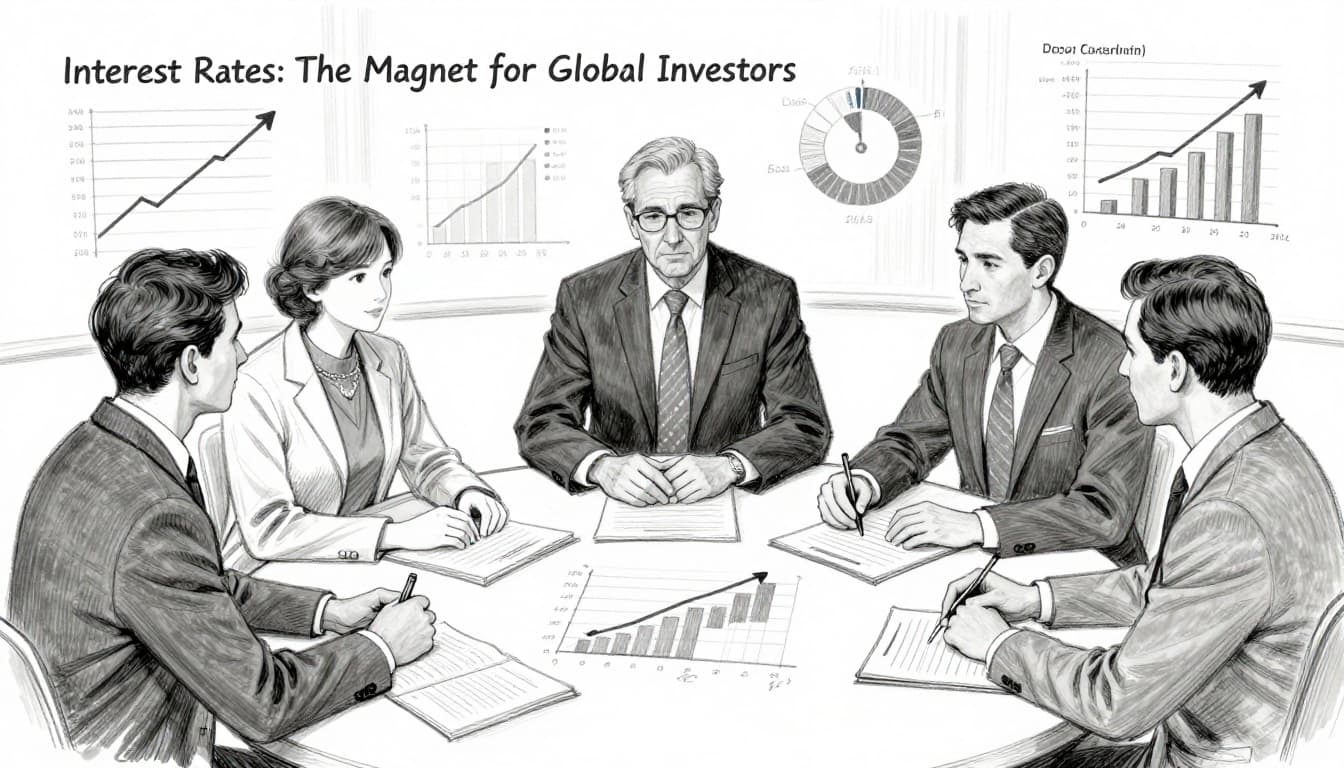
Here’s what stood out into early 2026. The US Federal Reserve kept its key rate steady through recent meetings, at about 3.5% to 3.75%. Even without new hikes, US yields stayed high compared to many peers. That helps explain why the USD often holds up well.
Meanwhile, Japan’s policy was still lower. The Bank of Japan kept rates at 0.75% in March 2026 after raising them in December 2025. If Japan pays less than other places, capital can be less eager to park there.
Inflation’s Sneaky Drain on Currency Power
Inflation is one of the easiest economic forces to feel, even if you don’t track it daily. When prices rise fast, the same unit of currency buys less.
So if a country has higher inflation, traders often assume the currency will lose value. That makes buyers less willing to hold it.
The opposite can also happen. If inflation cools, the currency can stabilize because purchasing power looks safer.
In extreme cases, inflation becomes a crisis. Venezuela is a sharp example. In recent reporting, Venezuela’s inflation was described as among the world’s highest, with inflation hitting 475% in 2025. When that happens, people often rush to get rid of the currency. That pressure can crush exchange rates. If you want a background reference, check Venezuela inflation reaching 475% in 2025.
Economic Growth: Jobs and Confidence Fuel Value
Growth matters because it shapes confidence. Strong growth can mean steady jobs, higher earnings, and healthier government finances.
When investors expect growth, they’re more willing to buy local assets. That raises demand for the local currency.
At the same time, growth can influence inflation. A booming economy can push prices up, depending on the situation. But in most cases, stable growth with contained inflation feels healthier for currency value than weak growth with rising prices.
So when you hear “the economy is improving,” think “money might want to stay here.” That link is the reason currency values react to economic data releases like unemployment reports, production numbers, and consumer spending.
Beyond Economics: Politics, Trade, and Wild Speculation
Even strong economic data can get overpowered by politics and trade. That’s because currency markets don’t only price today’s facts. They price tomorrow’s risks.
Three major non-economic drivers often move currency values:
- Trade balances (exports versus imports)
- Political stability (trust versus uncertainty)
- Speculation (bets that can speed up the move)
These forces can also mix together. For example, political tension can affect shipping, which can raise energy prices, which can change inflation expectations.

Trade Wins and Losses That Tip the Scales
Trade is simple in concept. A country that exports more than it imports tends to bring in more foreign money. That creates demand for its currency.
- Export strength can support a currency because foreigners need the local currency to pay for goods.
- Import dependence can weaken a currency because residents must buy foreign currency to pay for purchases abroad.
Trade also interacts with supply chains. If a region faces disruptions, import costs can rise. That can push inflation expectations up, which can swing currency values through the interest rate channel too.
Stability vs Chaos: Politics’ Big Impact
Currency markets hate uncertainty. Wars, major crackdowns, or sudden policy reversals can scare investors away. When that happens, demand drops.
Sanctions can matter as well. If investors believe a currency will be harder to use or harder to exchange, they may avoid it. At that point, even decent economic data might not be enough to hold the currency up.
Meanwhile, stable politics can make investors feel calmer. That can mean steadier capital flows and fewer sudden sell-offs. You can picture it like a plane at cruising altitude. Smooth conditions help everyone relax and trust the route.
Real Examples: Which Currencies Rule and Which Struggle in 2026
Now let’s anchor all this in real numbers and real currency behavior.
In March 2026, common reference rates for quick travel math were about 1 USD ≈ 150 JPY and 1 USD ≈ 0.92 EUR. Later in the month, the mid-market rates shifted (for example, 1 USD was around 0.868 EUR and about 160 JPY). That’s normal. Markets react daily.
Still, the big picture remains the same. Some currencies tend to stay strong because their economies and reserves offer more stability. Others weaken as inflation, sanctions, or conflict add pressure.
Here’s a simple snapshot of how the “value per USD” idea works. Strong currencies usually mean you get more buying power from fewer units.
| Pair reference (ballpark) | What it implies for everyday costs |
|---|---|
| 1 USD ≈ 0.92 EUR | USD and euro are close, so swings can be noticeable but not extreme |
| 1 USD ≈ 150 JPY | Japan’s yen often looks “cheap” per unit, even when it strengthens or weakens |
| USD up vs a currency | Your money buys more of that currency abroad |
Strong currencies in 2026 and why they hold up
One currency that often ranks at the top is the Kuwaiti Dinar (KWD). In recent reporting, it was described as worth about $3.24 to $3.26 per dinar. That kind of value tends to show up when a country has strong export income, especially from oil, and has a reputation for stability.
You can also find curated lists and context on currencies in articles like the top 10 strongest currencies in 2026.
Also, note a key theme: “strong” usually means buyers trust the future enough to hold it.
Other currencies often seen as relatively strong include the Bahraini Dinar (BHD) and the Omani Rial (OMR), and the Jordanian Dinar (JOD). Even when the exact ranks change, the pattern is similar.
Weak currencies in 2026 and why they lose value
At the other end, currencies can struggle when inflation stays high or when sanctions and conflict disrupt normal trade.
For example, the Iranian Rial (IRR) has faced years of pressure tied to sanctions and economic constraints. That can reduce demand and raise the risk premium investors demand.
And for hyperinflation dynamics, Venezuela shows what happens when inflation destroys purchasing power. In reporting, inflation was noted as hitting 475% in 2025. Once a cycle like that starts, confidence collapses and traders rush for protection.
In simple terms, a weak currency is often a sign that markets expect one or more of these: lower growth, higher inflation, political risk, or forced policy changes.
Why these values can shift even when nothing “feels” different
You might wonder, “Why does money change again if nothing changed in my life?” The answer is that currency values reflect global expectations.
A small shift in interest rate expectations, a surprise piece of economic data, or a sudden geopolitical headline can move the forex market quickly. Then speculators may pile in, which makes the move feel even faster.
That’s why checking live rates before you travel or transfer money matters. Even if your plan works today, a few days can change the math.
Conclusion: The One Thing to Remember About Currency Value
Currencies have different values because their prices depend on who wants them and what people expect next. Supply and demand sets the day-to-day price, but the economy, inflation, and interest rates shape the direction. On top of that, politics and trade can create sudden shocks, and speculation can magnify the move.
So the next time you see a rate swing, don’t treat it like random noise. Treat it like a signal from the market about risk and opportunity.
If you travel often or plan a transfer, start tracking a couple of pairs you care about. Watching how news and data move exchange rates can help you avoid unpleasant surprises. After all, once you understand the forces behind currency value, you’re better prepared to act. What pair do you watch most closely?