53% of Americans now follow a budget, up from 46% last year. Most people say they’re doing it to cover essentials like food, rent, and bills.
At the same time, it’s harder than ever to tell what you need from what you want. Prices feel high, stress feels real, and one “small” purchase can turn into a bigger problem fast.
Here’s the good news: once you manage needs vs wants the right way, money stops feeling like a guessing game. You’ll get clear examples, 2026 spending trends, and a simple plan you can use right away.
Needs vs Wants: Everyday Examples to Clear Up the Confusion
A simple way to think about needs vs wants is survival versus comfort.
- Needs are the basics that keep you living and functioning.
- Wants are extra choices that improve your lifestyle (or make you feel good for a bit).
That classic rule sounds easy, but real life gets messy. For example, “premium groceries” might taste better, yet you still need food either way. The same can happen with a “necessary” subscription or a car upgrade you want but don’t truly require. If you’ve ever felt torn, you’re not alone. One reason budgeting advice can feel confusing is that modern spending blurs the lines, especially with subscriptions and “buy now” offers (needs vs. wants budget reality check).
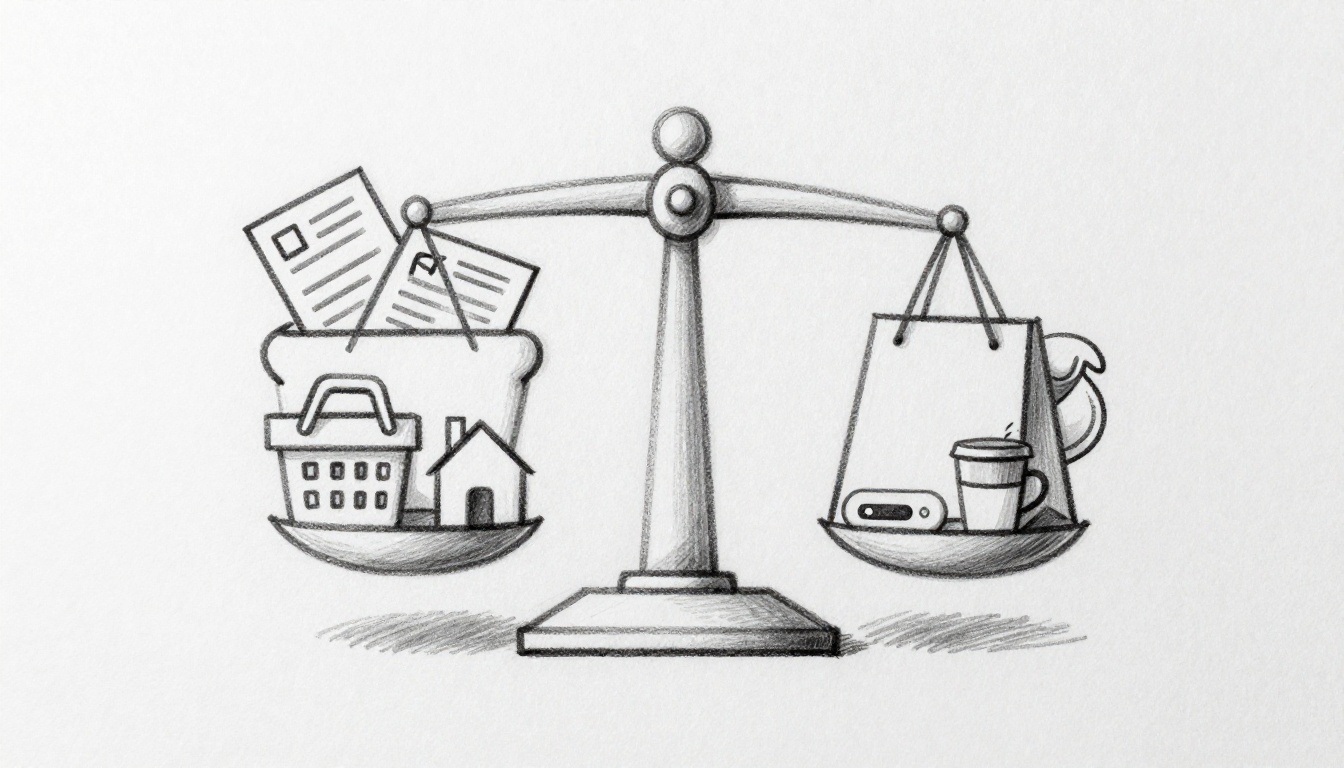
Here’s a quick visual you can use to spot the difference fast.
Before you compare your own spending, use this simple needs and wants guide.
| Needs (must-haves) | Wants (nice-to-haves) |
|---|---|
| Groceries for real meals | Restaurants, delivery, takeout |
| Rent or mortgage | New decor trips, home upgrades for fun |
| Utilities (power, water) | Upgraded phone plans, fancy add-ons |
| Health insurance and meds | Gym memberships you barely use |
| Transportation to work | New car payments for upgrades |
| Basic household supplies | Luxury or status items |
Takeaway: if it keeps you going this month, it’s usually a need. If it mainly adds pleasure, it’s usually a want.

Survival Essentials That Top Every Budget
When you’re building a budget, start with the stuff that protects your week and your health.
For most people, core needs fall into five groups:
Food, but not the “treat yourself every day” version. Home-cooked meals, basic snacks, and groceries you can plan around count more than convenience.
Shelter, like rent or a mortgage payment. If this payment fails, everything else feels unstable.
Utilities, including electricity, water, and basic internet. You might not love the bill, but you need power, and you need a way to handle work and school tasks.
Healthcare, especially insurance, doctor visits, and medications. Even if you rarely use services, the coverage itself is a safety net.
Transport, whether that’s bus fare, gas, or a car payment you rely on to get to work.
In 2026, people are budgeting because everyday costs are still heavy. YouGov data on consumer spending and budgeting shows more households are setting budgets and aiming their choices at essentials (U.S. consumer spending and budgeting trends in 2026). When money feels tight, essentials stop being “background noise” and become the main event.
Here’s the practical mindset shift: you’re not denying yourself. You’re deciding what comes first so you don’t spiral.
Fun Extras That Can Wait: Spotting the Wants
Now let’s talk about wants, the category that feels “small” until it adds up.
Common wants include:
- Dining out, drinks out, and delivery
- Vacations and weekend getaways
- Concert tickets, events, and festivals
- New clothes (especially trend-driven shopping)
- Entertainment subscriptions and video games
- Luxury items, even if they’re “on sale”
Wants often feel urgent because they promise a fast payoff. A restaurant meal can turn a rough day into a good memory. A shopping cart can calm stress. A trip can feel like freedom.
In 2026, many people are noticing that feeling and making different choices. Among those who expect their finances to worsen, 66% plan to cut back on eating or drinking out. That shift shows something important: wants aren’t disappearing, but they’re getting delayed.
Also, some wants disguise themselves as “needs.” You might say, “I need this new outfit for an event.” In reality, you might need the event, not the new clothes. You might need reliable entertainment, but not every paid subscription.
If you want extra help with examples, WalletHub breaks down what counts as wants in a budget and lists sample categories you can compare against your own spending (what are wants in a budget).
Why This Split Matters More in 2026: Trends and Money Traps
The needs vs wants split matters now because people are dealing with pressure on both sides.
When the economy feels shaky, two things happen at once:
- Essentials still cost money.
- Wants start competing for attention.
You see it in real behavior. Many people are cutting back on categories like dining out and entertainment. Others are switching to cheaper options or seeking secondhand deals.
Here are the 2026 money-trap patterns showing up for a lot of Americans:
- 66% of those expecting worse finances cut back on eating or drinking out
- 38% cut categories to find room
- 39% compare prices before buying
- 37% seek cheaper options
If that sounds familiar, it’s because it’s the same loop: worry rises, then spending tries to lower the stress fast.
The problem is that want-driven relief usually fades quickly. Then your budget catches up to you.
Gotcha: “Feel better today” spending often becomes “pay for it later” debt.

Current Spending Shifts Everyone’s Feeling
You can also spot the shift by what stays steady.
Housing, healthcare, and utilities tend to be harder to cut. You still need a place to live, medicine to function, and power to run your home. That’s why many budgets end up “anchored” by needs first.
Meanwhile, experience spending often drops when stress hits. Delivery, dining out, and entertainment feel easy to pause. Even if you like those things, you can usually delay them without breaking your life.
It’s also common to see different groups respond differently:
- Some people spend a bit more when they feel hopeful, especially around holidays.
- Others shrink their budgets quickly, grabbing cheaper groceries and lowering spending in more areas.
That contrast helps explain why people feel so frustrated. Your neighbor might be planning holidays, while you’re trying to make groceries last. Both reactions make sense under stress. The key is to choose intentionally.
When you prioritize needs first, you stop playing defense all month. Instead, you create a calm starting point and decide what’s left for wants.
The Hidden Psychology of Want-Driven Splurges
Let’s get honest about the emotional side.
When people worry about money, the brain looks for quick comfort. A splurge can act like a short reset button. You buy something, you feel relief, and the tension drops for a few hours.
Then the bill arrives, and the stress comes back, just louder.
Want-driven splurges usually have a pattern:
- You feel stressed.
- You notice a tempting option.
- You buy to feel better now.
- The feeling fades faster than the payment.
This is exactly why needs vs wants is more than math. It’s also self-control plus clarity.
A helpful test is to ask one question before you buy: “Does this protect my basics this month?” If the answer is no, delay it.
Better yet, use a waiting rule (we’ll cover that soon). Waiting gives your impulse time to cool down. It turns your budget into a tool, not a trap.
Manage Needs and Wants Like a Pro: Your Step-by-Step Plan
Now let’s make this simple and actionable.
The best part about a needs vs wants approach is that it works even when life is messy. You don’t need perfect math. You need a clear order.
Here’s a step-by-step plan you can try this month:
- List essentials first (rent, food, bills, transport). Add up those costs.
- Compare prices and shop value before you buy anything discretionary. (Many people already do this in 2026.)
- Set a spending limit for wants based on what’s left.
- Cut one costly fun habit for 2 to 4 weeks. Cook one more meal at home per week.
- Wait 7 days on non-essentials. If you still want it after a week, decide again.
- Track what you planned versus what you did. Adjust the next week.
If you want a framework that helps your budget feel realistic, Planned’s guide explains why budgets fail when they focus on restriction instead of intention (how to create a budget that actually works).

Build a Bulletproof Monthly Budget
A “bulletproof” budget doesn’t mean you never slip. It means you know what happens when you do.
Start with your income. Then build this order:
- Track your bills and essentials.
- Set aside money for needs (not just guesses).
- Split the remainder into wants and any debt or savings goals.
If you follow this order, you don’t get stuck mid-month. You already know what’s available for fun.
And yes, budgeting is spreading. More Americans set budgets now than last year. That 53% number isn’t random. It shows people want control, not chaos.
You can keep it simple. Paper works. A spreadsheet works. A budgeting app works. Pick one method you’ll actually use.
Then review once a week for 10 minutes. Small check-ins prevent big surprises.
Daily Habits to Keep Wants in Check
Your monthly budget matters. But your daily habits decide whether you stick with it.
Try these practical habits:
Pause for 10 seconds before you buy. Then label it: need or want. This tiny pause stops autopilot.
Swap “automatic” wants with “planned” wants. For example, instead of random dining out, plan one treat meal with a set budget.
Choose free or cheap fun when you can. Walks, library books, community events, and game nights at home add joy without draining needs money.
Also, pay attention to how often you search for lower prices. In 2026, many people are comparing and seeking cheaper options (including secondhand). That approach can feel empowering, not punishing.
Finally, make sure you’re not mixing stress with spending. If you’re tired, hungry, or overwhelmed, wants will look extra tempting.
Quick win: If you’re feeling rushed, you’re not the best person to make a purchase.
Conclusion
Needs vs wants is the simplest budget skill you can use every day. Once you separate the two, your money stops reacting to stress and starts following a plan.
In 2026, more people are budgeting because prices and uncertainty pushed them to prioritize basics. The data also shows that when finances look worse, people cut back on wants like dining out. That’s not deprivation, it’s smart timing.
Pick one step from the plan and try it this month. Then list your top needs today, and share one change you’re making to control wants. What will you protect first?